
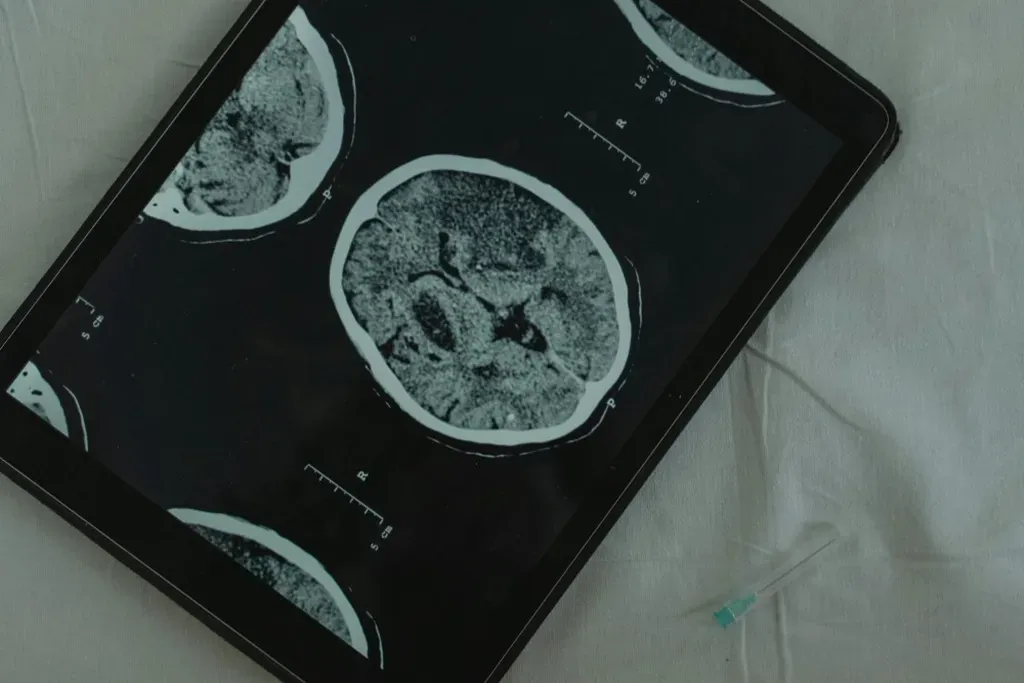
What if the common thread behind Alzheimer’s, Parkinson’s, and other neurodegenerative conditions isn’t just neuronal loss—but chronic inflammation within the brain itself? In this new chapter from the upcoming Brain Longevity eBook, Dr. Cohen explores how neuroinflammation acts as a root cause of brain aging and cognitive decline, and why emerging non-invasive therapies are reshaping the future of neurological care. Read on for a science-backed look at how targeting inflammation may be key to protecting and optimizing brain health over time.
Neuroinflammation as the Underlying Etiology of Neurodegenerative Diseases: Alternative Therapeutic Approaches
Overview
Neuroinflammation represents a central pathophysiological mechanism in neurodegenerative diseases, functioning as both a consequence and driver of neuronal damage. Approximately 15% of the global population is affected by neurodegenerative disorders, with neuroinflammation associated with all major conditions including Alzheimer’s disease (AD), Parkinson’s disease (PD), amyotrophic lateral sclerosis (ALS), [Huntington’s disease](/rare-disease/huntington-disease) (HD), and multiple sclerosis (MS). While conventional pharmacological interventions often show limited efficacy and significant adverse effects, emerging non-invasive neuromodulatory techniques—including photobiomodulation (PBM), hyperbaric oxygen therapy (HBOT), and transcranial magnetic stimulation (TMS)—offer promising alternative therapeutic strategies by targeting multiple neuroinflammatory pathways simultaneously.
Cellular and Molecular Mechanisms of Neuroinflammation
Glial cell activation—particularly of microglia and astrocytes—represents the primary cellular mechanism driving neuroinflammatory responses. When damage signals or foreign pathogens enter the central nervous system (CNS), glial cells become activated, and overactivation triggers release of neuroinflammatory markers including tumor necrosis factor-α (TNF-α), interleukin-1β (IL-1β), interleukin-10 (IL-10), nitric oxide (NO), and cyclooxygenase-2 (COX-2).
Microglia exhibit dual protective and detrimental functions, with disease-associated subtypes modulating inflammatory responses. Astrocytes polarize into A1 (neurotoxic) and A2 (neuroprotective) phenotypes, contributing differentially to protein clearance and synaptic dysfunction. Neuroinflammatory cascades involve alterations in cross-talk between glial cells and neurons, with common signaling pathways including NF-κB and MAPK activation. The NLRP3 inflammasome pathway plays a critical role, exacerbating chronic inflammation through blood-brain barrier disruption and cytokine release.
Photobiomodulation (PBM) Therapy in Chicago
Mechanisms of Action
PBM uses red and near-infrared light (typically 600-1000 nm wavelengths) to stimulate cellular processes through photon absorption by chromophores, particularly cytochrome c oxidase in mitochondria.This absorption elevates ATP synthesis, reduces oxidative stress, and alleviates inflammation through activation of transcription factors and signaling mediators.
PBM exerts anti-inflammatory effects through multiple molecular pathways:
– Activation of extracellular signal-regulated kinase (ERK), mitogen-activated protein kinase (MAPK), and protein kinase B (Akt) pathways
– Upregulation of neurotrophic factors including brain-derived neurotrophic factor (BDNF) and vascular endothelial growth factor (VEGF)
– Modulation of neurotransmitter systems
– Enhanced mitochondrial biogenesis and function (increased Bcl-2, reduced Bax, enhanced ATP production)
Anti-Neuroinflammatory Treatment in Chicago
Systematic reviews demonstrate that PBM effectively reduces glial activation, pro-inflammatory cytokine expression, and oxidative stress while increasing anti-inflammatory responses and antioxidant capacity in animal models of neurodegenerative diseases. Specifically, PBM has been shown to:
– Reduce microglial activation and astrocytic reactivity
– Decrease pro-inflammatory cytokines (TNF-α, IL-1β, IL-6)
– Increase anti-inflammatory cytokines (IL-10)
– Suppress NF-κB signaling
– Reduce oxidative stress markers (malondialdehyde) and increase antioxidant enzymes (superoxide dismutase)
Effects on Alzheimer’s Disease Pathology
Transcranial PBM with 808 nm light alters expression of genes and proteins associated with AD pathogenesis. In a 30-day course of daily 1-hour sessions in mice, PBM modulated:
– Essential genes associated with oxidative stress (NF-κBIα, JUN, JUND, PKC)
– Inflammation markers (DOCK4/6, IL-1RAPL1, TNFαIP6)
– Apoptosis regulators (CASP3, TNFαIP6, AKT3, CDKN1A)
– Main AD risk genes (BACE1, BACE2, PSEN2, APH1B) involved in amyloid precursor protein (APP) processing
APP concentration was reduced after PBM treatment, suggesting potential to inhibit development of AD pathology.
Clinical Applications
PBM has demonstrated beneficial effects in multiple neurodegenerative conditions including traumatic brain injury, ischemia, neurodegenerative diseases, aging, epilepsy, depression, and spinal cord injury.The therapy is non-invasive, broad-acting, and exhibits minimal toxicity, making it an attractive alternative to conventional pharmacological approaches.
Hyperbaric Oxygen Therapy (HBOT) in Chicago
Mechanisms of Neuromodulation
HBOT involves breathing 100% oxygen at pressures greater than atmospheric pressure (typically 1.5-3.0 atmospheres absolute), promoting brain recovery and neuroplasticity through modulation of key cellular and molecular mechanisms.
Primary pathways affected by HBOT include:
– Mitochondrial biogenesis and function: Increased Bcl-2, reduced Bax, enhanced ATP production
– Neurogenesis: Upregulation of Wnt-3 and VEGF/ERK signaling
– Synaptogenesis: Elevated GAP43 and synaptophysin expression
– Anti-inflammatory responses: Reduced TNF-α and IL-6
Anti-Neuroinflammatory Effects in Alzheimer’s Disease
HBOT significantly suppresses neuroinflammation in AD models through multiple mechanisms. In animal studies, HBOT demonstrated the following benefits:
– Promoted microglial transition to a surveillance phenotype (decreased soma area, increased branching)
– Reduced chronic neuroinflammation
– Restored mitochondrial quality control by upregulating PINK1 and parkin expression
– Enhanced autophagosome formation and modulated mitophagy-associated pathways
– Reduced amyloid-β accumulation through upregulation of LRP1 (a key Aβ clearance transporter)
Clinical Evidence
Meta-analysis of randomized controlled trials demonstrates that HBOT remarkably ameliorates cognitive function in AD patients. Pooled evidence showed:
– Improved Mini-Mental State Examination scores (MD = 3.08, 95%CI [2.56, 3.61], p < 0.00001)
– Improved Alzheimer’s Disease Assessment Scale-Cognitive scores (MD = -4.53, 95%CI [-5.05, -4.00], p < 0.00001)
– Improved activities of daily living (MD = 10.12, 95%CI [4.46, 15.79], p = 0.0005)
– Reduced malondialdehyde levels (oxidative stress marker)
– Increased superoxide dismutase levels (antioxidant enzyme)
– Reduced IL-1β levels
– Increased TGF-β1 levels
– No significant adverse events (OR = 1.17, 95%CI [0.68, 2.03], p = 0.58)
In elderly patients with significant memory loss, HBOT increased cerebral blood flow and improved cognitive performance. The therapy alleviates vascular dysfunction, reduces brain hypoxia, and decreases amyloid burden through persistent structural changes in blood vessels.
Therapeutic Potential
HBOT’s ability to simultaneously act on multiple pathological cascades—combined with its noninvasive nature and favorable safety profile—makes it a uniquely promising therapeutic strategy.
TMS in Neurodegenerative Diseases
Transcranial Magnetic Stimulation for Neurodegenerative and Neuroinflammatory Conditions in Chicago
Overview and Mechanisms of Action
Repetitive transcranial magnetic stimulation (rTMS) represents a promising non-invasive neuromodulatory intervention for neurodegenerative diseases, exerting therapeutic effects through multiple neurobiological mechanisms that directly address underlying neuroinflammatory pathways. Through electromagnetic induction, rTMS selectively modulates cortical excitability, with high-frequency stimulation (≥5 Hz) enhancing neural excitability and low-frequency stimulation (≤1 Hz) producing inhibitory effects.
At the cellular and molecular level, rTMS influences synaptic plasticity, neurotransmitter systems, and neuroinflammation. The technique modulates microglial activation, promoting neuroprotective and plasticity-enhancing processes by reducing pro-inflammatory cytokine release and promoting anti-inflammatory microglial polarization. Specifically, rTMS decreases pro-inflammatory cytokines including TNF-α, IL-1β, and IL-6 while increasing anti-inflammatory cytokines such as IL-10. Additionally, rTMS increases neurotrophic factors (particularly BDNF), counteracts amyloid and tau accumulation, and restores the excitation/inhibition balance by targeting glutamatergic and GABAergic pathways.
Alzheimer’s Disease
Clinical Efficacy
Meta-analyses demonstrate that rTMS produces significant cognitive improvements in patients with Alzheimer’s disease and mild cognitive impairment. A comprehensive systematic review including 25 randomized controlled trials showed large effect sizes on global cognition measures: Montreal Cognitive Assessment (SMD = 0.85, 95% CI [0.26, 1.44], p = 0.005), Mini-Mental State Examination (SMD = 0.80, 95% CI [0.26, 1.33], p = 0.003), and Alzheimer’s Disease Assessment Scale-Cognitive Subscale (SMD = -0.96, 95% CI [-1.32, -0.60], p < 0.001).
The pooled evidence indicates an overall medium-to-large effect size (SMD = 0.77-1.14) favoring active rTMS over sham stimulation in improving cognitive functions. Importantly, rTMS was safe and well tolerated with infrequent serious adverse events across 143 studies involving 5,800 participants.
Neurobiological Effects
rTMS modulates key pathological processes in Alzheimer’s disease at multiple levels. The intervention:
– Reduces amyloid precursor protein (APP) concentration and modulates genes involved in APP processing (BACE1, BACE2, PSEN2, APH1B)
– Alters expression of genes associated with oxidative stress (NF-κBIα, JUN, JUND, PKC), inflammation (DOCK4/6, IL-1RAPL1, TNFαIP6), and apoptosis (CASP3, AKT3, CDKN1A)
– Enhances synaptic plasticity and promotes lasting structural changes in functional and structural connectivity
– Increases neurotrophic factors and modulates neurotransmitter circuits characteristically disrupted in AD
Evidence Quality and Clinical Recommendations
Using the Grading of Recommendations, Assessment, Development, and Evaluation (GRADE) criteria, high-frequency rTMS over the left DLPFC is classified as probably effective (Level B evidence) for improving cognition in Alzheimer’s disease. Component network meta-analysis confirms that high-frequency rTMS demonstrates superior efficacy compared to transcranial direct current stimulation, with patients with AD showing better responses than those with MCI.
Parkinson’s Disease
Motor Symptom Improvement
rTMS demonstrates significant efficacy in reducing motor symptoms of Parkinson’s disease, with pooled evidence showing an overall medium effect size (SMD = 0.46, 95% CI [0.29-0.64], p < 0.001) favoring active rTMS over sham stimulation. A comprehensive overview of systematic reviews with meta-analysis, including 107 unique primary studies, provides low-to-moderate certainty evidence that high-frequency stimulation of the primary motor cortex (M1) and supplementary motor area (SMA) significantly improves general motor impairment, gait, functional mobility, and balance.
Conclusion:
These three non-invasive neuromodulatory techniques—photobiomodulation (PBM), transcranial magnetic stimulation (TMS), and hyperbaric oxygen therapy (HBOT)—share common anti-neuroinflammatory mechanisms while offering distinct therapeutic advantages for neurodegenerative diseases. All three modalities reduce pro-inflammatory cytokines (TNF-α, IL-1β, IL-6), modulate microglial activation, enhance mitochondrial function, increase neurotrophic factors, and promote neuroprotection through complementary pathways.
References
- Neuroinflammation in Neurodegenerative Disorders: Current Knowledge and Therapeutic Implications. Giri PM, Banerjee A, Ghosal A, Layek B. International Journal of Molecular Sciences. 2024;25(7):3995. doi:10.3390/ijms25073995.
- The Role of Inflammation in Neurodegenerative Diseases: Parkinson’s Disease, Alzheimer’s Disease, and Multiple Sclerosis. Fołta J, Rzepka Z, Wrześniok D. International Journal of Molecular Sciences. 2025;26(11):5177. doi:10.3390/ijms26115177.
- Neuroinflammatory Markers: Key Indicators in the Pathology of Neurodegenerative Diseases. Rauf A, Badoni H, Abu-Izneid T, et al. Molecules (Basel, Switzerland). 2022;27(10):3194. doi:10.3390/molecules27103194.
- Photobiomodulation for the Treatment of Neuroinflammation: A Systematic Review of Controlled Laboratory Animal Studies. Cardoso FDS, Salehpour F, Coimbra NC, Gonzalez-Lima F, Gomes da Silva S. Frontiers in Neuroscience. 2022;16:1006031. doi:10.3389/fnins.2022.1006031.
- Photobiomodulation for Neurodegenerative Diseases: A Scoping Review. Shen Q, Guo H, Yan Y. International Journal of Molecular Sciences. 2024;25(3):1625. doi:10.3390/ijms25031625.
- The Molecular Mechanisms of Action of Photobiomodulation Against Neurodegenerative Diseases: A Systematic Review. Bathini M, Raghushaker CR, Mahato KK. Cellular and Molecular Neurobiology. 2022;42(4):955-971. doi:10.1007/s10571-020-01016-9.
- Recent Advances in Light Energy Biotherapeutic Strategies With Photobiomodulation on Central Nervous System Disorders. Ma H, Du Y, Xie D, et al. Brain Research. 2024;1822:148615. doi:10.1016/j.brainres.2023.148615.
- Transcranial Near-Infrared Light in Treatment of Neurodegenerative Diseases. Nizamutdinov D, Ezeudu C, Wu E, Huang JH, Yi SS. Frontiers in Pharmacology. 2022;13:965788. doi:10.3389/fphar.2022.965788.
- A Systematic Review of the Effect of Photobiomodulation on the Neuroinflammatory Response in Animal Models of Neurodegenerative Diseases. Xie K, El Khoury H, Mitrofanis J, Austin PJ. Reviews in the Neurosciences. 2023;34(4):459-481. doi:10.1515/revneuro-2022-0109.
- Transcranial Photobiomodulation Therapy With 808 nm Light Changes Expression of Genes and Proteins Associated With Neuroprotection, Neuroinflammation, Oxidative Stress, and Alzheimer’s Disease: Whole RNA Sequencing of Mouse Cortex and Hippocampus. Li B, Golovynska I, Stepanov YV, et al. PloS One. 2025;20(7):e0326881. doi:10.1371/journal.pone.0326881.
- A Comprehensive Review on Therapeutic Potentials of Photobiomodulation for Neurodegenerative Disorders. Ramakrishnan P, Joshi A, Fazil M, Yadav P. Life Sciences. 2023;336:122334. doi:10.1016/j.lfs.2023.122334.
- Hyperbaric Oxygen Therapy as a Neuromodulatory Technique: A Review of the Recent Evidence. Bin-Alamer O, Abou-Al-Shaar H, Efrati S, et al. Frontiers in Neurology. 2024;15:1450134. doi:10.3389/fneur.2024.1450134.
- The Potential of Hyperbaric Oxygen as a Therapy for Neurodegenerative Diseases. Mensah-Kane P, Sumien N. GeroScience. 2023;45(2):747-756. doi:10.1007/s11357-022-00707-z.
- Hyperbaric Oxygen Therapy Ameliorates Alzheimer’s Disease Pathology by Restoration of Mitophagy and Suppressing Neuroinflammation in 5xFAD Mice. Yao M, Li Z, Lin Y, et al. Experimental Neurology. 2025;:115534. doi:10.1016/j.expneurol.2025.115534.
- Clinical Evidence of Hyperbaric Oxygen Therapy for Alzheimer’s Disease: A Systematic Review and Meta-Analysis of Randomized Controlled Trials. Lin G, Zhao L, Lin J, Li X, Xu L. Frontiers in Aging Neuroscience. 2024;16:1360148. doi:10.3389/fnagi.2024.1360148.
- Hyperbaric Oxygen Therapy Alleviates Vascular Dysfunction and Amyloid Burden in an Alzheimer’s Disease Mouse Model and in Elderly Patients. Shapira R, Gdalyahu A, Gottfried I, et al. Aging. 2021;13(17):20935-20961. doi:10.18632/aging.203485.
- The Neurobiological Foundation of Effective Repetitive Transcranial Magnetic Brain Stimulation in Alzheimer’s Disease. Antonioni A, Martorana A, Santarnecchi E, Hampel H, Koch G. Alzheimer’s & Dementia : The Journal of the Alzheimer’s Association. 2025;21(6):e70337. doi:10.1002/alz.70337.
- Neuroprotective and Plasticity Promoting Effects of Repetitive Transcranial Magnetic Stimulation (rTMS): A Role for Microglia. d’Errico P, Früholz I, Meyer-Luehmann M, Vlachos A. Brain Stimulation. 2025 May-Jun;18(3):810-821. doi:10.1016/j.brs.2025.03.012.
- Therapeutic Potential and Mechanisms of Repetitive Transcranial Magnetic Stimulation in Alzheimer’s Disease: A Literature Review. Zhang X, Zhu L, Li Y, et al. European Journal of Medical Research. 2025;30(1):233. doi:10.1186/s40001-025-02493-8.
- Efficacy of Repetitive Transcranial Magnetic Stimulation in Cognitive Impairment of Neurodegenerative Diseases: A Systematic Review and Meta-Analysis. Zhang Y, Xu K, Wang Y, et al. BMC Neurology. 2025;25(1):295. doi:10.1186/s12883-025-04292-4.
- Repetitive Transcranial Magnetic Stimulation Regulates Neuroinflammation in Neuropathic Pain. Bai YW, Yang QH, Chen PJ, Wang XQ. Frontiers in Immunology. 2023;14:1172293. doi:10.3389/fimmu.2023.1172293.
- Repetitive Transcranial Magnetic Stimulation Improves Neurological Function and Promotes the Anti-Inflammatory Polarization of Microglia in Ischemic Rats. Luo J, Feng Y, Li M, et al. Frontiers in Cellular Neuroscience. 2022;16:878345. doi:10.3389/fncel.2022.878345.
- Effects of Transcranial Magnetic Stimulation on Neurobiological Changes in Alzheimer’s Disease (Review). Bashir S, Uzair M, Abualait T, et al. Molecular Medicine Reports. 2022;25(4):109. doi:10.3892/mmr.2022.12625.
- Mechanisms Involved in Neuroprotective Effects of Transcranial Magnetic Stimulation. Caballero-Villarraso J, Medina FJ, Escribano BM, et al. CNS & Neurological Disorders Drug Targets. 2022;21(7):557-573. doi:10.2174/1871527320666210809121922.
- Efficacy and Safety of Transcranial Magnetic Stimulation on Cognition in Mild Cognitive Impairment, Alzheimer’s Disease, Alzheimer’s Disease-Related Dementias, and Other Cognitive Disorders: A Systematic Review and Meta-Analysis. Pagali SR, Kumar R, LeMahieu AM, et al. International Psychogeriatrics. 2024;36(10):880-928. doi:10.1017/S1041610224000085.
- Transcranial Magnetic Stimulation Effects on Cognitive Enhancement in Mild Cognitive Impairment and Alzheimer’s Disease: A Systematic Review and Meta-Analysis. Yan Y, Tian M, Wang T, et al. Frontiers in Neurology. 2023;14:1209205. doi:10.3389/fneur.2023.1209205.
- Repetitive Transcranial Magnetic Stimulation for the Treatment of Alzheimer’s Disease: A Systematic Review and Meta-Analysis of Randomized Controlled Trials. Dong X, Yan L, Huang L, et al. PloS One. 2018;13(10):e0205704. doi:10.1371/journal.pone.0205704.
- Repetitive Transcranial Magnetic Stimulation for Cognitive Impairment in Alzheimer’s Disease: A Meta-Analysis of Randomized Controlled Trials. Wang X, Mao Z, Ling Z, Yu X. Journal of Neurology. 2020;267(3):791-801. doi:10.1007/s00415-019-09644-y.
- A Systematic Review and Meta-Analysis of rTMS Effects on Cognitive Enhancement in Mild Cognitive Impairment and Alzheimer’s Disease. Chou YH, Ton That V, Sundman M. Neurobiology of Aging. 2020;86:1-10. doi:10.1016/j.neurobiolaging.2019.08.020.
- Transcranial Magnetic Stimulation Treatment in Alzheimer’s Disease: A Meta-Analysis of Its Efficacy as a Function of Protocol Characteristics and Degree of Personalization. Menardi A, Dotti L, Ambrosini E, Vallesi A. Journal of Neurology. 2022;269(10):5283-5301. doi:10.1007/s00415-022-11236-2.
- Repetitive Transcranial Magnetic Stimulation Across Neurodegenerative Diseases: A Systematic Review and Dose-Response Meta-Analysis. Zhang Y, Wang Y, Xu K, et al. Frontiers in Aging Neuroscience. 2025;17:1615734. doi:10.3389/fnagi.2025.1615734.
- Repetitive Transcranial Magnetic Stimulation for Cognitive and Emotional Symptoms in Neurodegenerative Diseases: A Systematic Review and Dose-Response Meta-Analysis. Zhang Y, Liu S, Xu K, et al. Neurological Sciences : Official Journal of the Italian Neurological Society and of the Italian Society of Clinical Neurophysiology. 2025;:10.1007/s10072-025-08531-x. doi:10.1007/s10072-025-08531-x.
- Precuneus Magnetic Stimulation for Alzheimer’s Disease: A Randomized, Sham-Controlled Trial. Koch G, Casula EP, Bonnì S, et al. Brain : A Journal of Neurology. 2022;145(11):3776-3786. doi:10.1093/brain/awac285.
- Diagnostic Contribution and Therapeutic Perspectives of Transcranial Magnetic Stimulation in Dementia. Di Lazzaro V, Bella R, Benussi A, et al. Clinical Neurophysiology : Official Journal of the International Federation of Clinical Neurophysiology. 2021;132(10):2568-2607. doi:10.1016/j.clinph.2021.05.035.
- Is Non-Invasive Brain Stimulation Effective for Cognitive Enhancement in Alzheimer’s Disease? An Updated Meta-Analysis. Šimko P, Kent JA, Rektorova I. Clinical Neurophysiology : Official Journal of the International Federation of Clinical Neurophysiology. 2022;144:23-40. doi:10.1016/j.clinph.2022.09.010.
- Cognitive Effects and Acceptability of Non-Invasive Brain Stimulation on Alzheimer’s Disease and Mild Cognitive Impairment: A Component Network Meta-Analysis. Chu CS, Li CT, Brunoni AR, et al. Journal of Neurology, Neurosurgery, and Psychiatry. 2021;92(2):195-203. doi:10.1136/jnnp-2020-323870.
- Efficacy of Non-Invasive Brain Stimulation on Global Cognition and Neuropsychiatric Symptoms in Alzheimer’s Disease and Mild Cognitive Impairment: A Meta-Analysis and Systematic Review. Teselink J, Bawa KK, Koo GK, et al. Ageing Research Reviews. 2021;72:101499. doi:10.1016/j.arr.2021.101499.
- Effects of Repetitive Transcranial Magnetic Stimulation on Motor Symptoms in Parkinson Disease: A Systematic Review and Meta-Analysis. Chou YH, Hickey PT, Sundman M, Song AW, Chen NK. JAMA Neurology. 2015;72(4):432-40. doi:10.1001/jamaneurol.2014.4380.
- The Effects of Transcranial Magnetic Stimulation in Motor Symptoms of Parkinson’s Disease: An Overview of Systematic Reviews With Meta-Analysis. Conte D, Roman A, Beorchia Y, et al. Neurological Sciences : Official Journal of the Italian Neurological Society and of the Italian Society of Clinical Neurophysiology. 2025;:10.1007/s10072-025-08189-5. doi:10.1007/s10072-025-08189-5.
- Assessment of Noninvasive Brain Stimulation Interventions in Parkinson’s Disease: A Systematic Review and Network Meta-Analysis. Wang Y, Ding Y, Guo C. Scientific Reports. 2024;14(1):14219. doi:10.1038/s41598-024-64196-0.